How a Handwritten Font Transformed My Small Business Branding
When I decided to refresh the labels on my handmade candle jars, I didn’t expect a single font choice to make such a big difference. I run a small candle-making business from my home studio, and over time, I realized my packaging looked a bit generic. I wanted something that felt more personal, more inviting—something that told customers there was a real person behind each candle. That’s when I discovered Cutter.
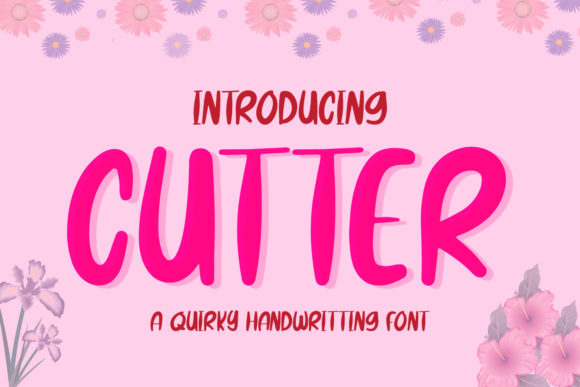
Cutter is a paint-brushed handwritten font that carries a warm, approachable personality. It’s not overly formal or stiff like some script fonts I’d tried before. Instead, it feels natural—like someone actually picked up a brush and wrote out the words by hand. It has a jolly, slightly playful energy, but still maintains a level of polish that works for small business branding.
Why Typography Matters for Small Brands
Typography is more than just picking a pretty font. It shapes how customers see your brand. A clean, professional font can help build trust. A handwritten style like Cutter can add warmth and personality, especially for creative or artisan businesses. Whether it’s a candle label, a bakery box, or a thank-you note, the right typeface makes your brand feel more consistent and memorable.
Before I used Cutter, my candle labels looked like they came from a template anyone could download. After switching, they suddenly felt more intentional—like they belonged to a brand that cared about the details. That’s the power of thoughtful typography, even on a small scale.
Where Cutter Works Best
I’ve found Cutter works beautifully for short text elements. It’s a display font at heart, so it shines in headlines, product names, and packaging titles. I use it on my candle jar labels for the product name and scent, and it adds a nice handcrafted touch. It’s also great for social media graphics, website banners, and even business cards.
It’s not ideal for long paragraphs or body text, especially in print. But as a decorative accent or supporting font, it brings a lot of charm. I pair it with a clean sans serif for secondary text, which keeps the design balanced and easy to read.
Real-World Uses for Small Businesses
- A bakery can use Cutter for the name on custom boxes or cupcake tags
- A skincare brand might apply it to product labels for a natural, handmade feel
- Cafés can feature it on seasonal menus or daily specials boards
- Online sellers can incorporate it into Instagram templates or Etsy product titles
- Local boutiques can print it on clothing tags or gift tags
Readability Tips for Real Use
When using Cutter for small labels or printed packaging, keep the text size readable. I’ve learned that too small a point size can make brush strokes blend together, especially on textured paper or dark backgrounds. For digital use, like social media thumbnails or website headers, make sure the contrast is strong so the font stands out clearly.
Also, test how it looks on mobile devices. Many small business owners design for desktop but forget that most of their audience will see the content on a phone screen. Cutter holds up well at a decent size, but it’s best to avoid using it for very small captions or subtext.
Pairing Cutter with Other Fonts
One of the easiest ways to elevate a design is to pair Cutter with a second font that complements its style. For a modern handmade look, I like to combine it with a soft serif or a minimal sans serif. For example, I use Cutter for the main product name and a clean sans serif like Lato or Montserrat for ingredients or care instructions.
This contrast helps guide the viewer’s eye and keeps the overall design from feeling too busy. If you’re going for a more elegant or upscale vibe, try pairing it with a refined serif font. For a playful, colorful brand, a rounded sans serif can keep the tone light and friendly.
What to Check Before Using Cutter
Before downloading any font for business use, always verify the licensing. Cutter is a commercial font, which means it can be used in product packaging, digital ads, and client work. But it’s still important to check the specific font vendor’s license agreement to make sure it covers your intended use.
Also, look at what styles and alternates are included. Cutter comes with ligatures and stylistic alternates that add variety and authenticity. Some versions offer multiple weights, which can be handy for different design applications. If you're using it in packaging or print, make sure the file formats are compatible with your design software (OTF, TTF, WOFF, etc.).
Bringing It All Together
Switching to Cutter was a small change that had a big impact on how my brand looks and feels. It added a personal touch without sacrificing professionalism. Whether you're a baker, candle maker, boutique owner, or online seller, a handwritten font like Cutter can help your brand stand out in a crowded market.
Typography is one of the most accessible ways to build a strong visual identity. You don’t need a big budget or a design degree to make smart font choices. Sometimes, the right script font is all it takes to turn everyday business materials into something that feels intentional, polished, and uniquely yours.